
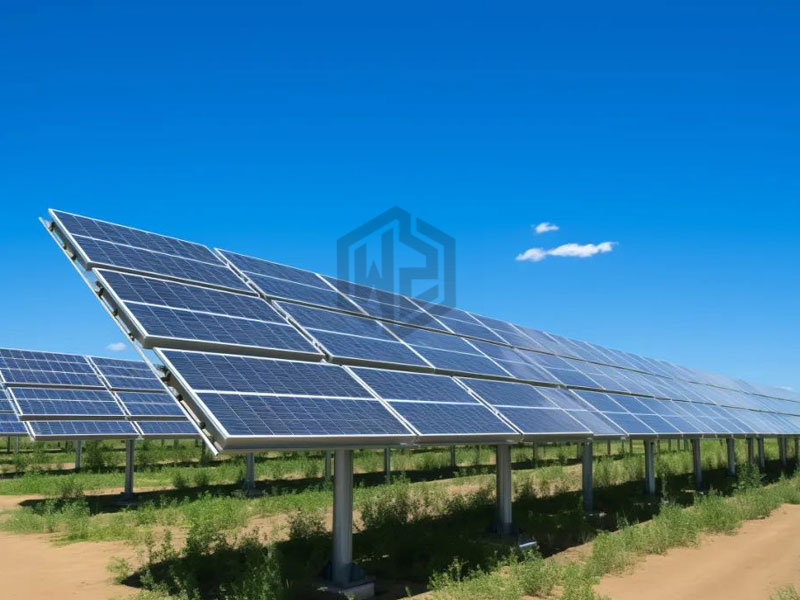
What is Zinc-Aluminum-Magnesium (ZAM) Steel?
Zinc-Aluminum-Magnesium steel is a new high-performance steel material. It features a special alloy coating composed of zinc (Zn), aluminum (Al), magnesium (Mg), and trace elements applied via hot-dip galvanizing onto a low-carbon steel substrate. The inclusion of magnesium enables corrosion products to actively migrate and cover cuts, holes, or scratches on the support structure, forming a dense protective film that effectively prevents rust spread and ensures structural integrity. Its corrosion resistance significantly surpasses that of traditional hot-dip galvanized and aluzinc materials.
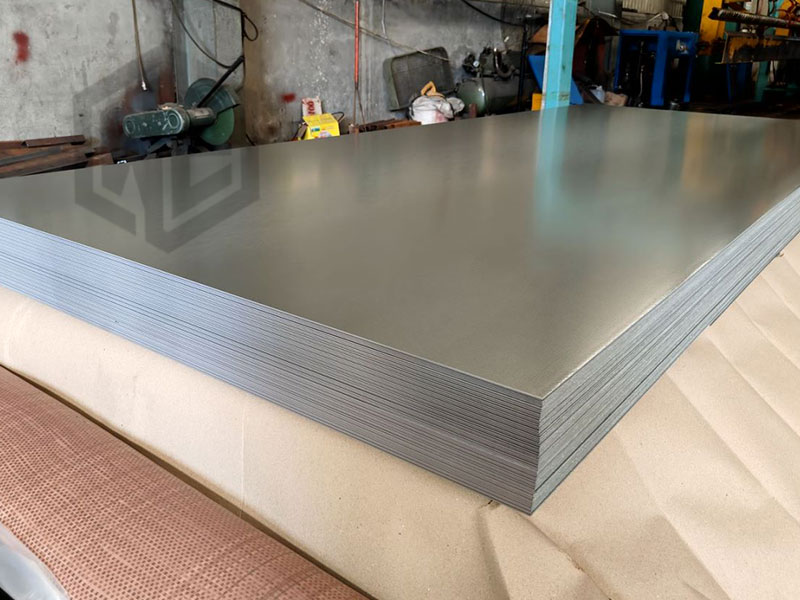

Advantages of ZAM Photovoltaic Supports
Self-healing: Magnesium in the coating provides active “self-healing” protection.
Corrosion resistance: ZAM coating corrosion resistance is 5-10 times greater than hot-dip galvanized steel.
Abrasion resistance: ZAM coating’s higher hardness effectively resists scratches and wear.
Cost-effectiveness: Exceptionally long service life and minimal maintenance requirements reduce replacement and upkeep costs for outdoor power plants.
Wide Application Range: Easily withstands extreme environments including intense heat, cold, high humidity, and high salinity.
Easy Fabrication: ZAM steel offers excellent bending and stamping properties, facilitating easy shaping into various mounting structures.
Suitable Environments for ZAM Photovoltaic Mounting Structures
Offshore PV: Exceptional salt spray corrosion resistance and self-healing properties withstand sea winds and moisture challenges.
Water-Surface PV: Superior water corrosion resistance combined with lightweight design.
Industrial Pollution & Corrosive Gas Environments: Effectively resists chemical corrosion from sulfides, chlorides, and other agents, ensuring stable operation in industrial zones.
Desert & Gobi Regions: Robust abrasion resistance withstands sandstorm erosion, while outstanding salt tolerance ensures foundation stability.
High-Altitude Outdoor Stations: Withstands intense UV radiation and harsh climatic conditions.
Agricultural Greenhouses & Distributed PV: Lightweight yet high-strength, adapts to humid-hot environments, perfectly matching roof and greenhouse load-bearing and corrosion-resistant requirements.
Extreme Climate Zones: Robust mechanical properties and low-temperature resistance withstand extreme weather tests like frost, snow, and ice.
Comparison of Hot-Dip Galvanizing, Galvalume, and Weathering Steel
| Characteristic | Zinc-Aluminum-Magnesium (ZAM) | Aluzinc (Galvalume) | Hot-Dip Galvanized (GI) | Weathering Steel |
| Corrosion Resistance | Excellent (5 – 10 times that of hot-dip galvanized) | Good (2 – 6 times that of hot-dip galvanized) | Good | Depends on stable rust layer |
| Cut Edge Protection | Outstanding (self-healing) | Poor | Poor | None |
| Wear Resistance | Excellent | Fair | Fair | Excellent |
| Initial Cost | Medium to High | Medium | Low | Medium |
| Maintenance Cost | Extremely Low | Low | Medium | High (requires initial maintenance) |
Considerations When Selecting Zinc-Aluminum-Magnesium Steel
ZAM steel represents the ultimate solution for extreme environments and zero-maintenance power stations. During procurement, ensure products comply with international standards such as EN 10346 or authoritative corporate standards, and require suppliers to provide third-party test reports. Select materials based on the project’s expected lifespan to effectively control budgets and prevent material waste.
Selecting Thickness Based on Environment
- Standard inland environments (C2-C3): Opt for 120-150 g/m².
- Industrial zones, coastal areas, high humidity (C4): Recommend 150-180 g/m² or higher.
- High-salt-fog coastal areas, offshore platforms, and regions with severe deicing salt exposure (C5): Must select ≥180 g/m² or higher corrosion-resistant grades, potentially exceeding 275 g/m² on both sides.
Verify “Self-Healing” Capability
- Request samples from ZAM steel suppliers for cut-through testing.
- Require suppliers to provide explicit product warranty commitments.
Lifecycle Cost Analysis
- Zinc-Aluminum-Magnesium (ZAM) PV mounting systems offer low long-term operating costs. For short-term projects, select materials based on the project’s expected lifespan.
ZAM steel plays an irreplaceable role in the solar industry. Contact Wanzhi Group today to learn how our high-performance ZAM PV mounting solutions can safeguard your next solar project!